Premium solar and battery options selected for the job your home needs done.
Compare storage capacity, output, panel efficiency, monitoring, expandability, warranty, and system compatibility before the model number goes into your proposal.
The best-known brand is not automatically the best design.
A battery must supply enough instantaneous power for the loads you want to start and enough stored energy for the runtime you expect. Panels must fit the roof, pair correctly with the inverter, and produce well under site conditions.
We compare equipment inside the complete design: roof, electrical service, utility, backup loads, monitoring preferences, product availability, and written warranty terms.
Named modelsCompatible designWritten coverageRealistic runtime
Current battery models
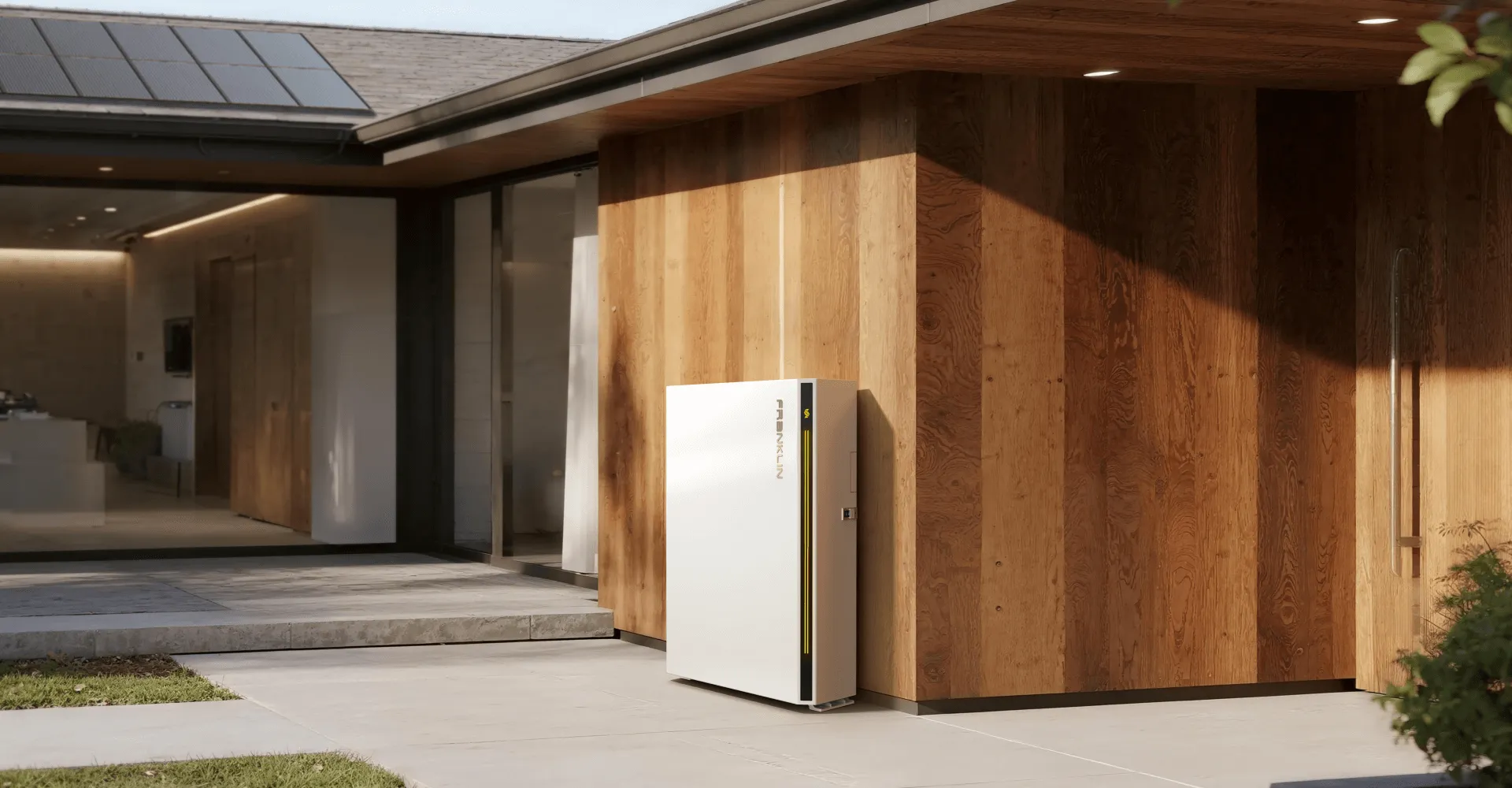
Four manufacturers, five current choices, and very different system architectures.
Compare capacity, power, architecture, and written coverage.
Figures shown are published manufacturer specifications. The usable runtime of a completed system depends on household loads, configuration, settings, temperature, and solar recharge.
IQ8X and IQ8HC only, matched to the panel, not chosen by guesswork.
Sunstorm Energy uses these two Enphase microinverter models. IQ8X serves compatible higher-voltage panels; IQ8HC serves compatible higher-current panels. The final proposal identifies the exact pairing.
Solar technologyEnphase
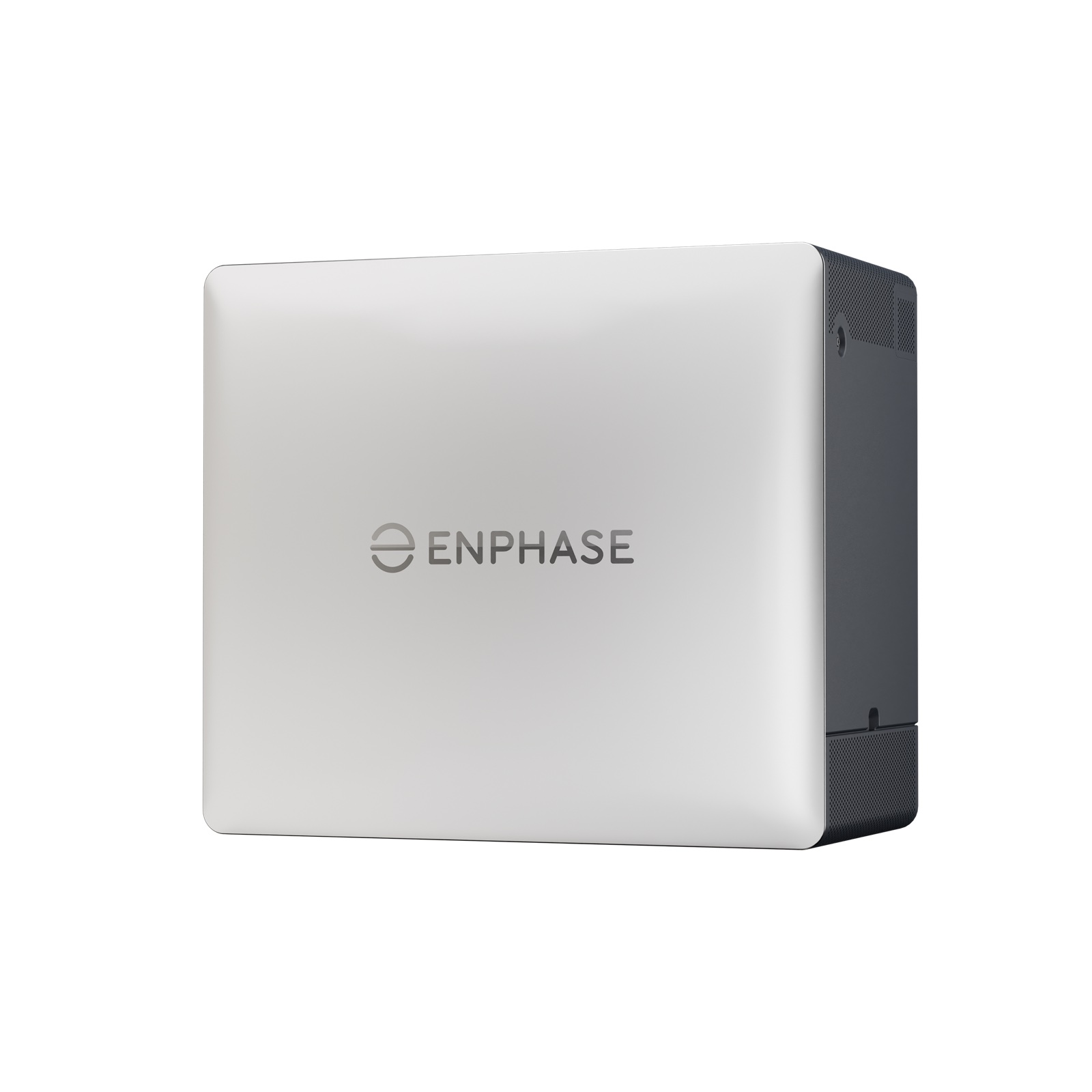
IQ8X Microinverter
Current model: IQ8X-80-M-US
The Enphase microinverter we use for compatible high-voltage residential solar modules.
Module wattage is not a compatibility guarantee. Voltage, current, temperature coefficients, Enphase compatibility documentation, local code, and the complete system design must also be checked.
Solar panel options
Compare power, efficiency, roof fit, and warranty details.
Panel availability changes. Your proposal should still identify the exact manufacturer and model before you sign.
Solar panelREC
Alpha Pure-RX
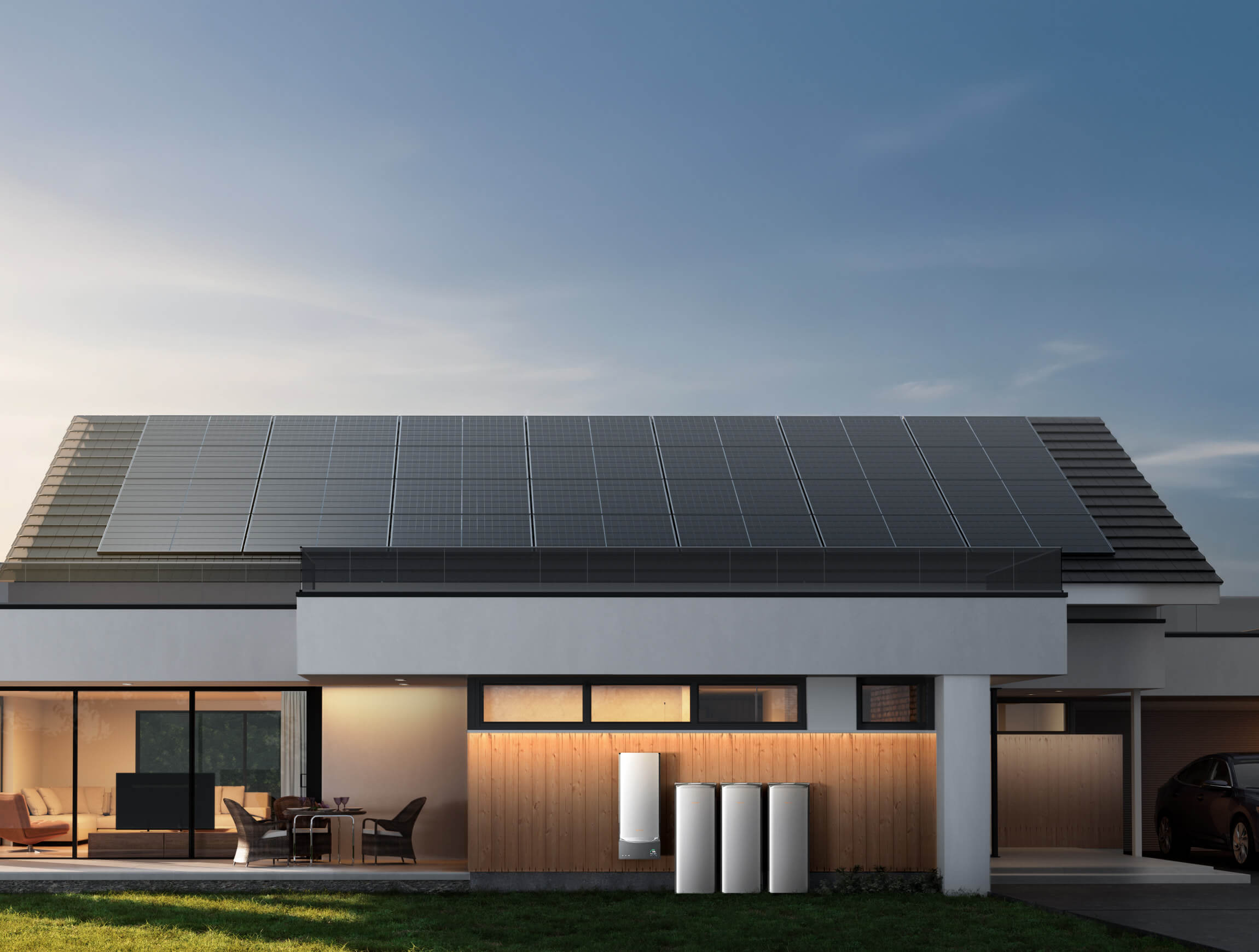
Premium high-density residential panels for roofs where usable space matters.
Where a product family contains several wattages, the signed proposal will identify the exact model installed.
What we compare
Your proposal should explain why each product fits your home.
1
Performance fit
Panel output, battery capacity, power, and temperature behavior are matched to the project goals.
2
System compatibility
Panels, inverters, batteries, controllers, electrical equipment, and monitoring must work as one approved design.
3
Ownership experience
App controls, monitoring detail, future expansion, service path, and warranty terms matter after installation.
4
Project reality
Final selection accounts for permitting, utility requirements, lead time, availability, and the written contract.
Equipment questions
What to check before choosing a brand or model.
Which home battery is best for a Florida home?
There is no universal best battery. The right choice depends on critical loads, peak power, desired runtime, solar-recharge potential, generator plans, electrical layout, monitoring preferences, expandability, and budget.
Can any solar panel work with any inverter or battery?
No. Electrical limits, listed combinations, rapid-shutdown requirements, manufacturer instructions, and system architecture all matter. Sunstorm verifies component compatibility in the final design.
Will the exact equipment model appear in my proposal?
Yes. A useful proposal should name the manufacturer and model for panels, inverters, batteries, controllers, and other major components. Any later substitution should be disclosed and reviewed.
Are product specifications and availability guaranteed by this website?
No. Manufacturers update products and availability changes. The signed project documents identify the final equipment, configuration, pricing, and warranty terms for a specific installation.
Product names and trademarks belong to their respective owners. Manufacturer specifications are referenced for comparison; final availability and project terms are confirmed in writing.
Equipment selected for your project
Choose the hardware after the roof, loads, and goals are clear.
We will show the named models and the reason each one fits.