
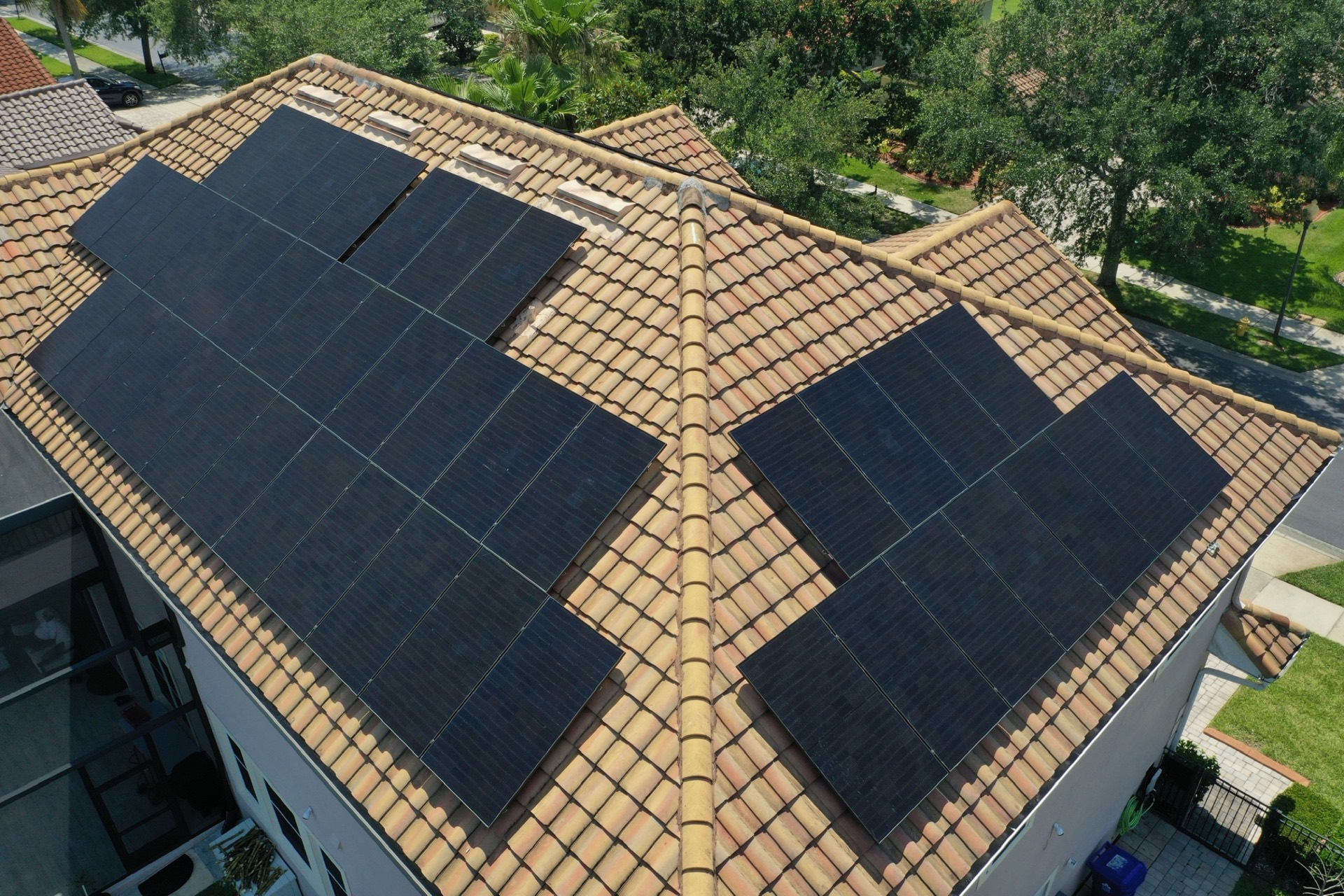
Florida roofs, utility rules, permitting, and backup needs shape every system we design.
Orlando solar + battery
Choose the Central Florida solar company homeowners already trust.
Real customer results. Real installations. A solar plan built around your home, utility, and power bill.
- 4.9 Google rating
- BBB A+ rated
- BusinessRate Top 3 — 2025 & 2026
★★★★★4.9Google rating
Chosen by Central Florida homeowners
Read Google reviews A solar company should earn your confidence before it asks for your business.
Start with the customers who have already worked with Sunstorm.
“The consultation process was thorough and informative, with transparent pricing and detailed explanations.”
“The sales team is extremely fair, and they communicated well and consistently. We never felt uninformed.”
“She made the process seamless, keeping everyone up to date.”
Why SunstormBuilt for Florida Built around your home Support after the sale Build my solar plan
The company you choose matters as much as the equipment.
Panels and batteries are only part of the decision. You also need a company that communicates, explains the numbers, and answers the phone after the sale.
We design the system around your roof, electric bill, utility, payment choice, and backup priorities.
Our job is to keep you informed through installation, system activation, and after the sale.
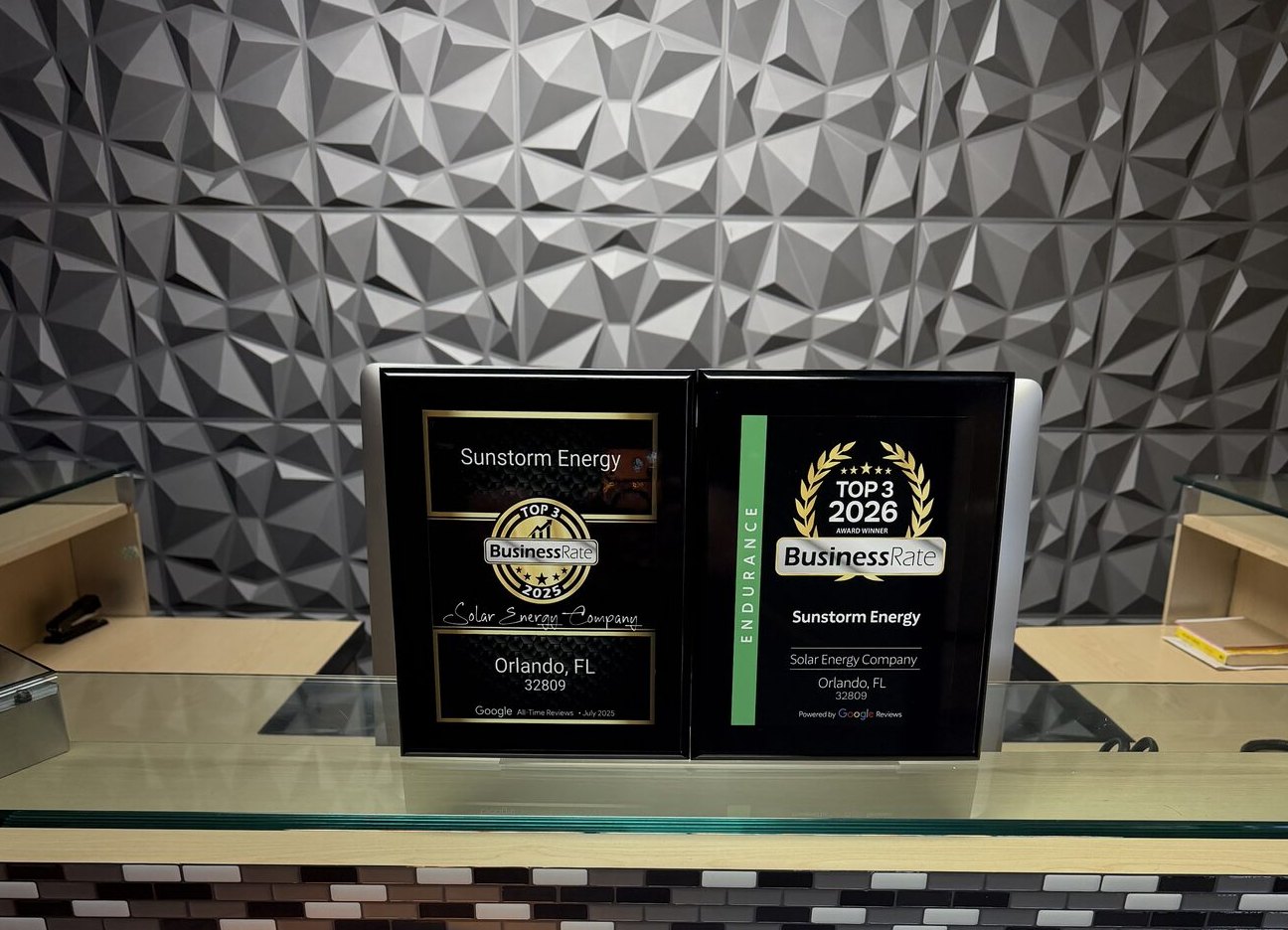
Recognized in Orlando two years running
BusinessRate named Sunstorm Energy a top three solar company for the Orlando area in 2025 and again in 2026. We are A+ rated with the Better Business Bureau and hold a 4.9 star average across 128 Google reviews.
See our workResults
This is what solar can do to an electric bill.
Real utility statements from Central Florida customers, before solar and after their systems were turned on.
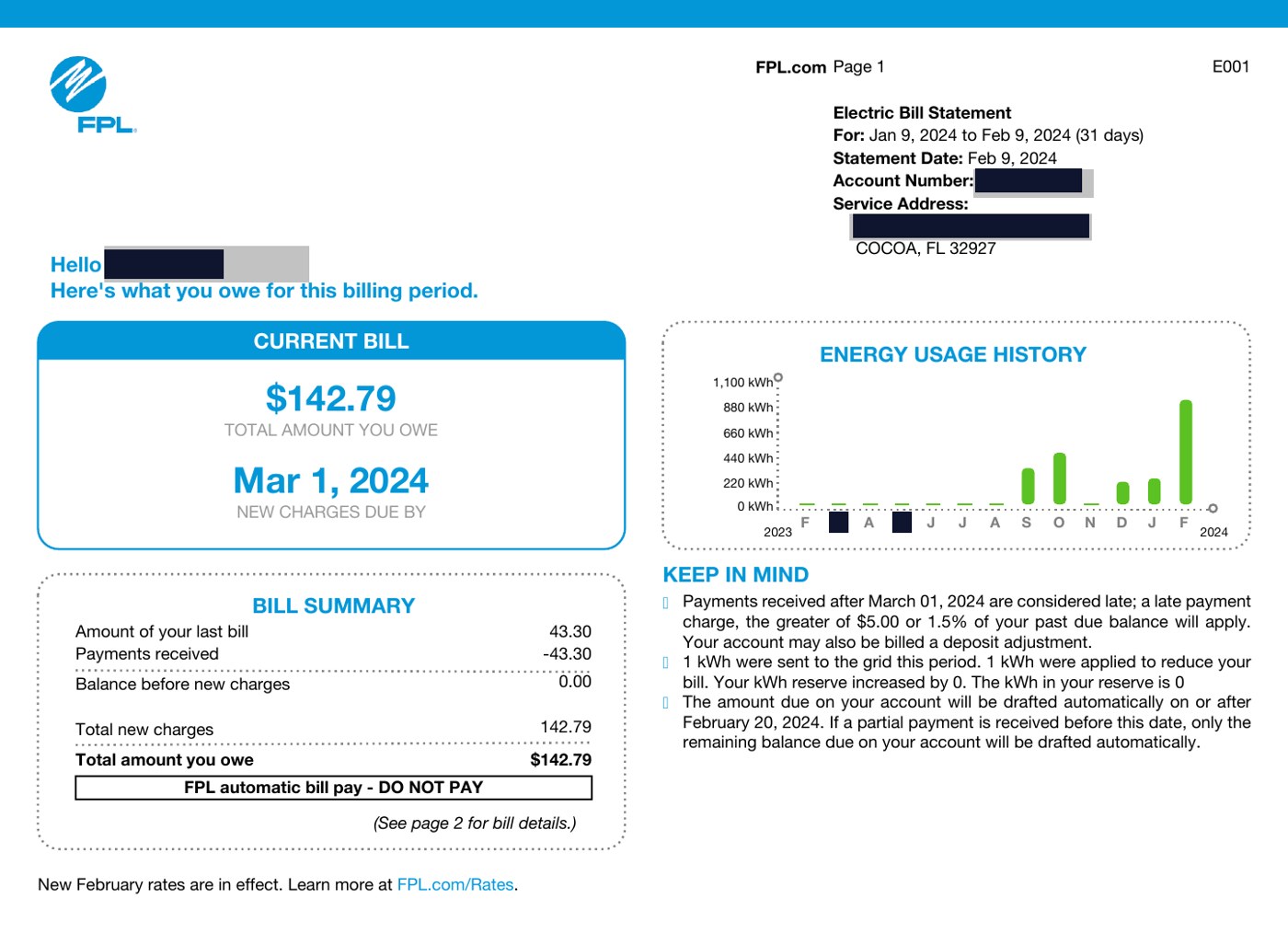
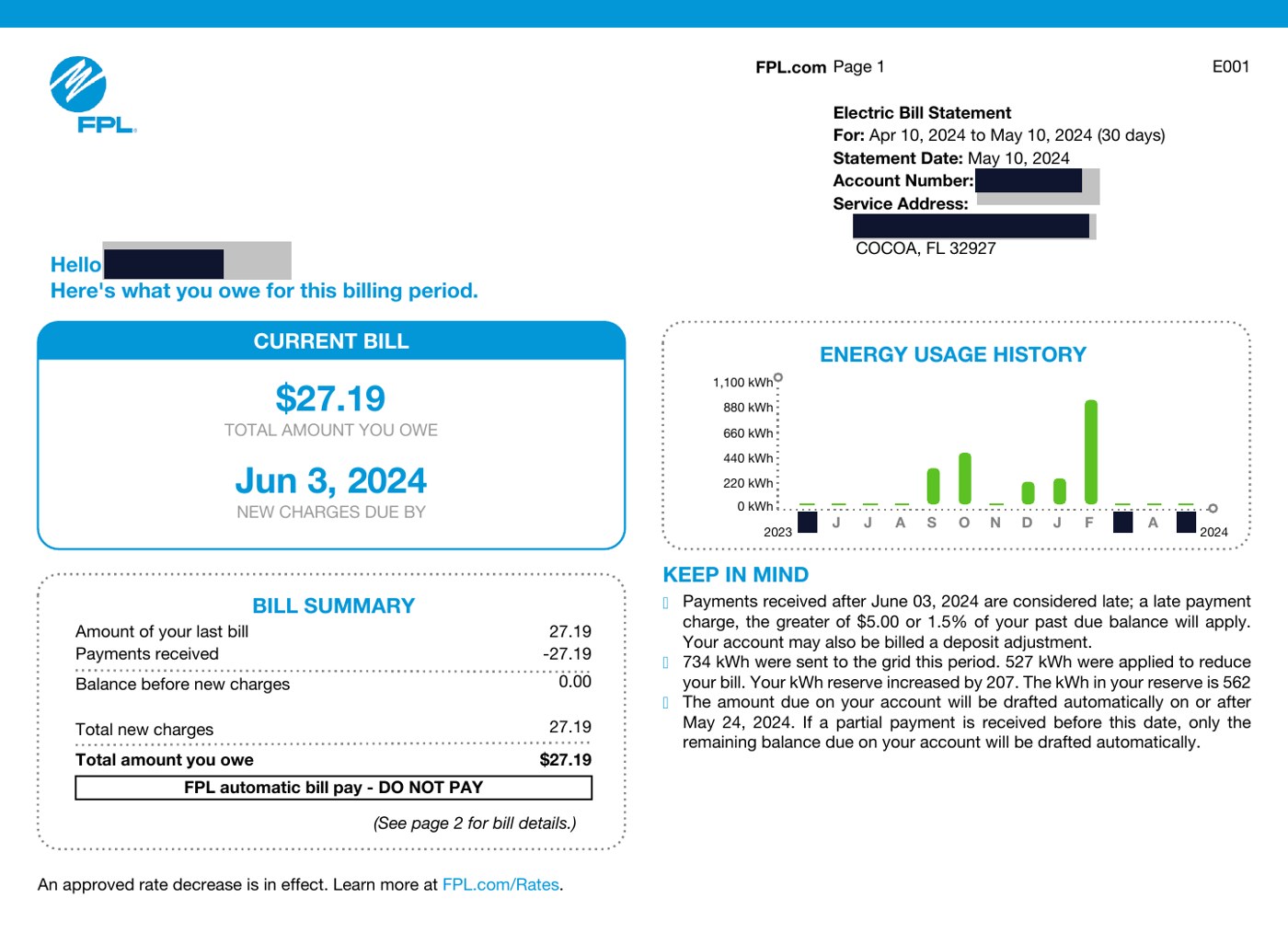
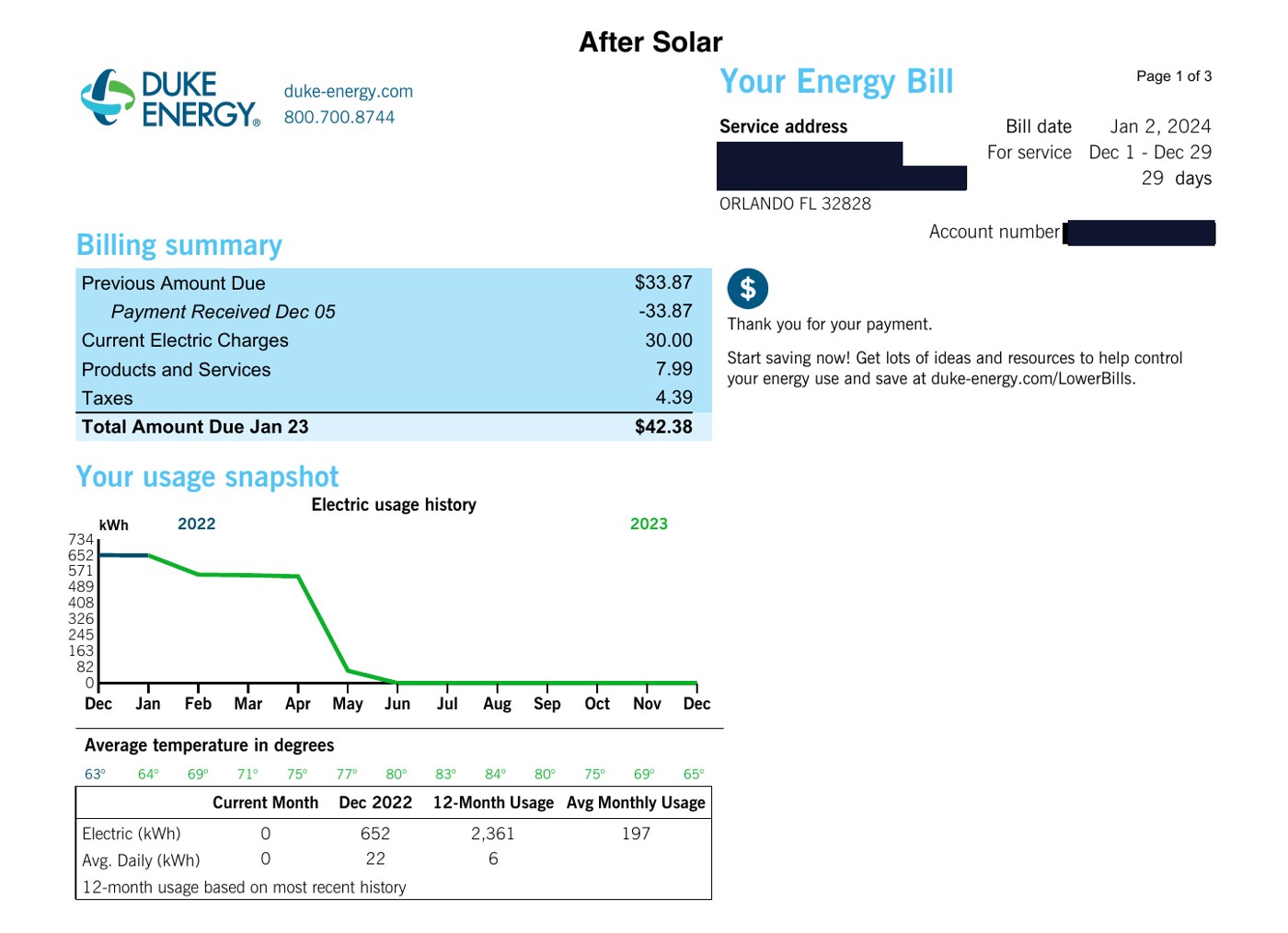
We use your electric bills and annual usage to recommend the right system size for your home and energy goals.
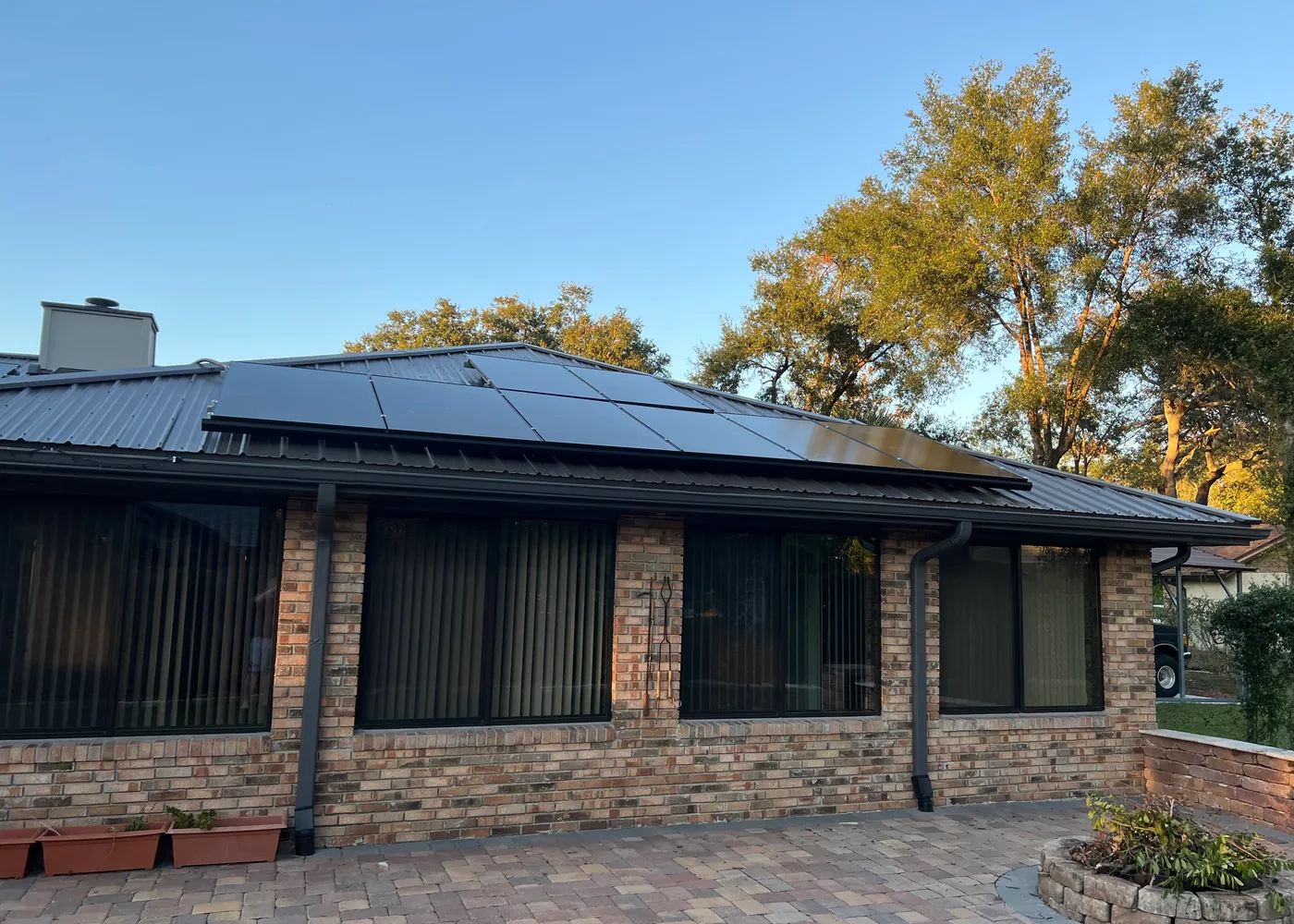
Real Sunstorm installations
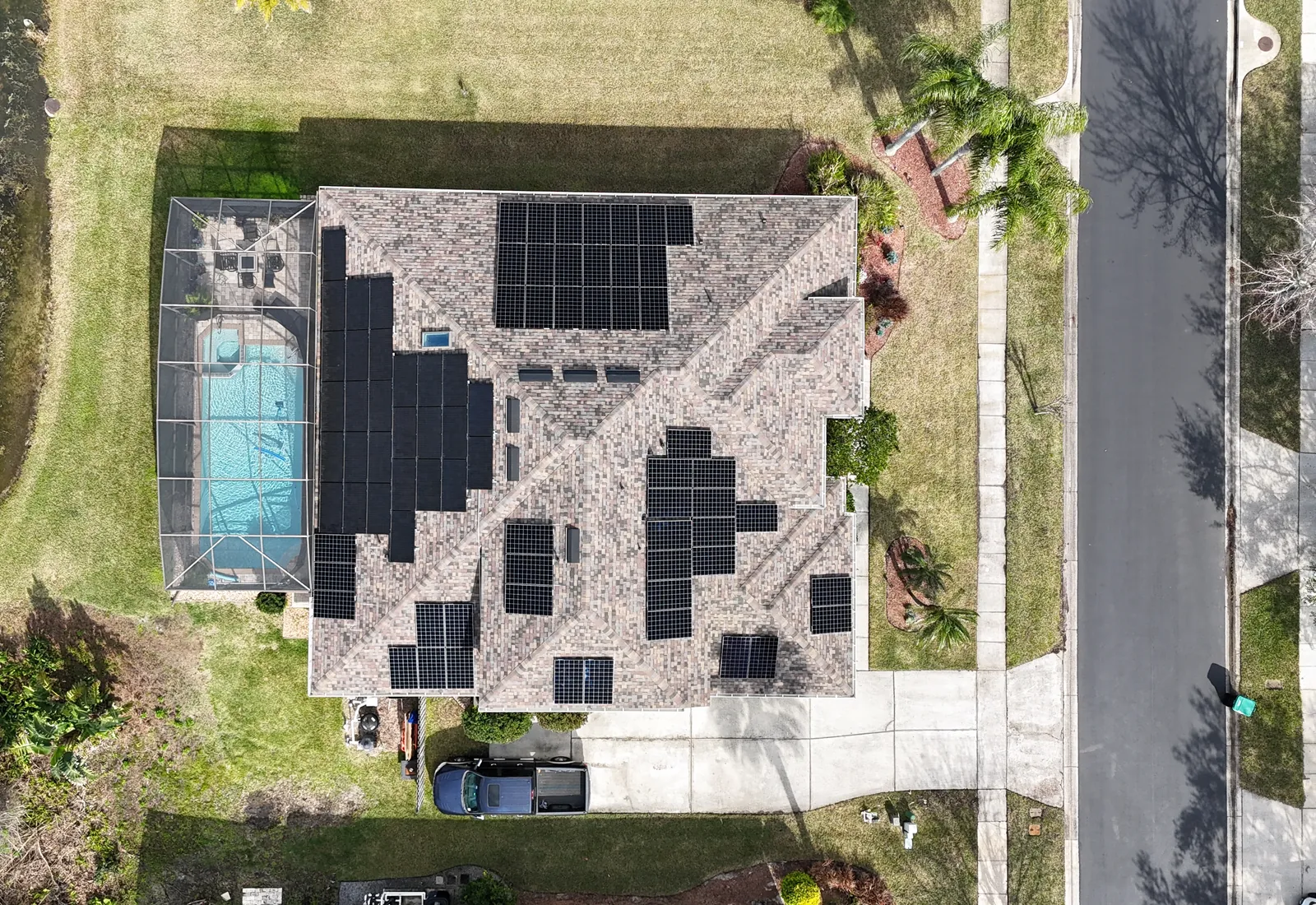
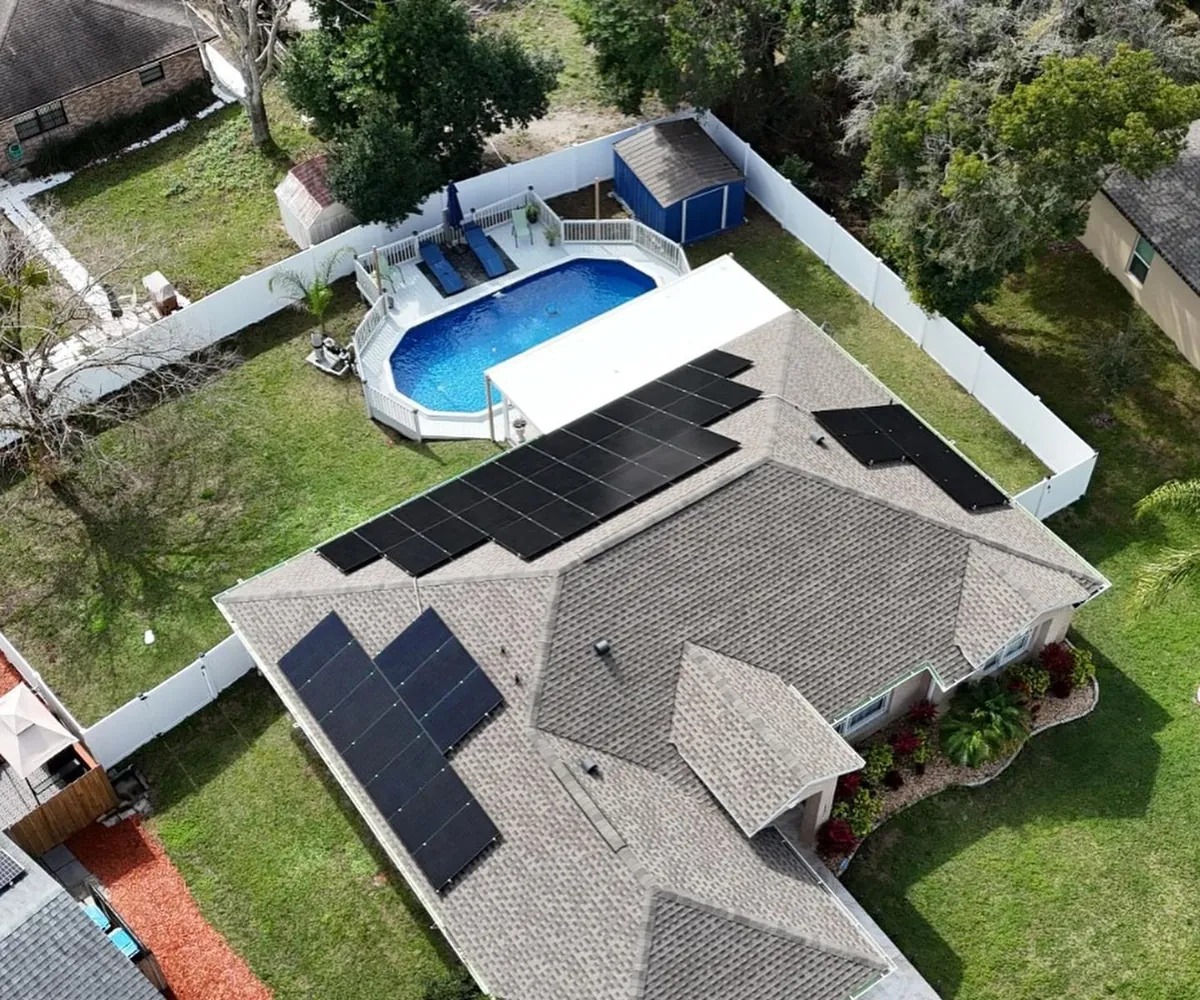
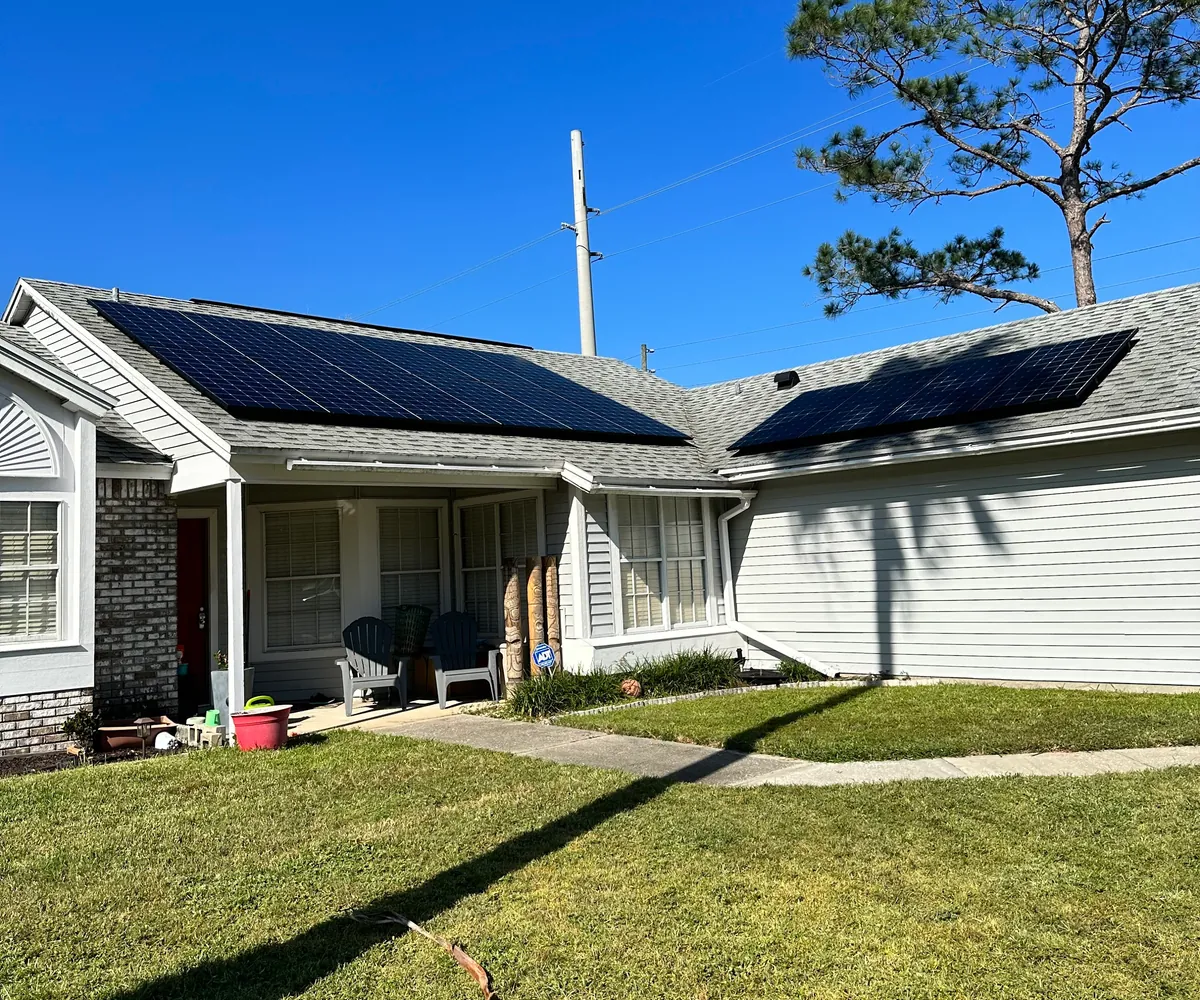
See how the finished system looks on the home.
These are Sunstorm installations across Central Florida, with all-black panels and layouts designed for each roof.
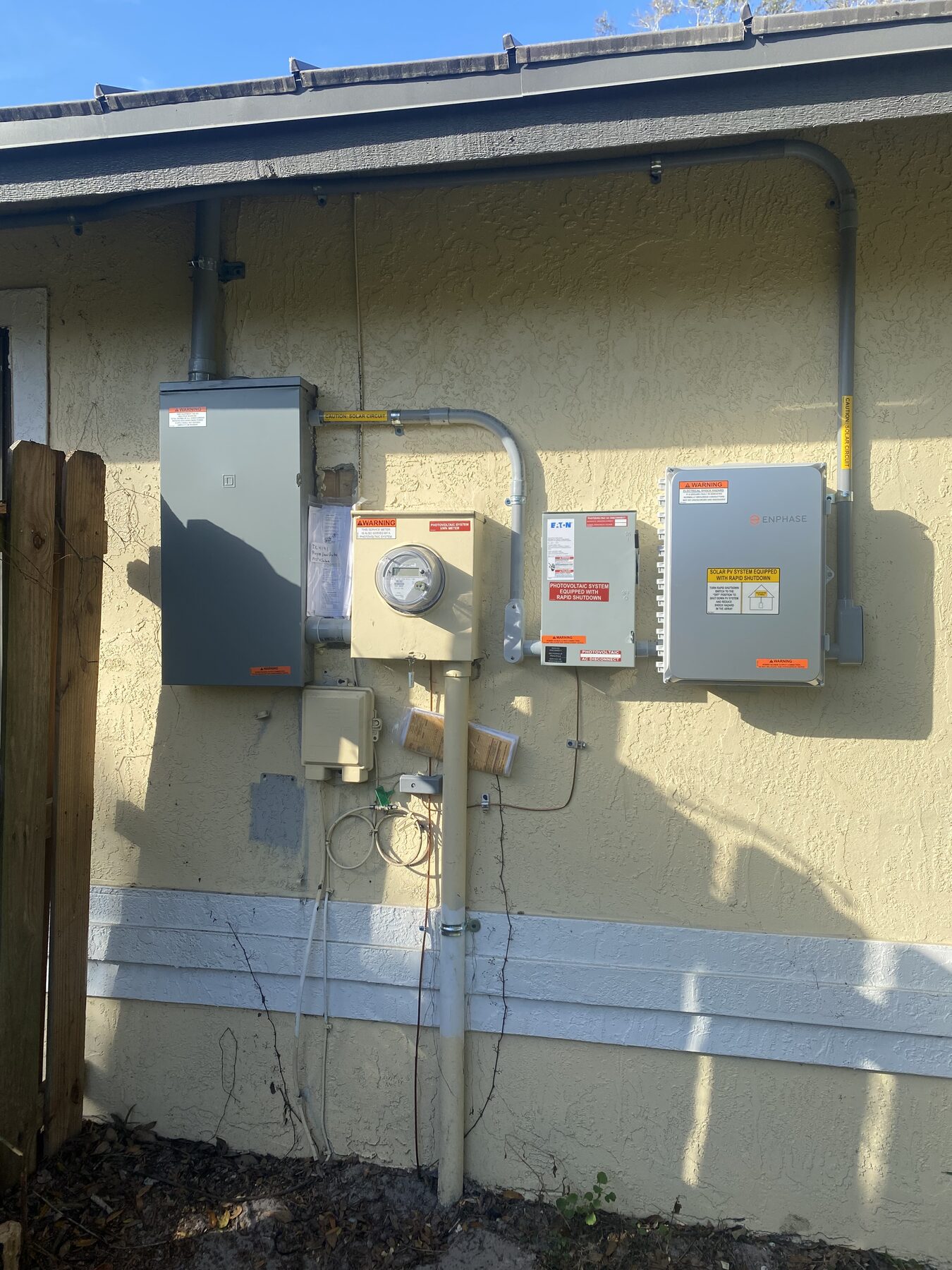
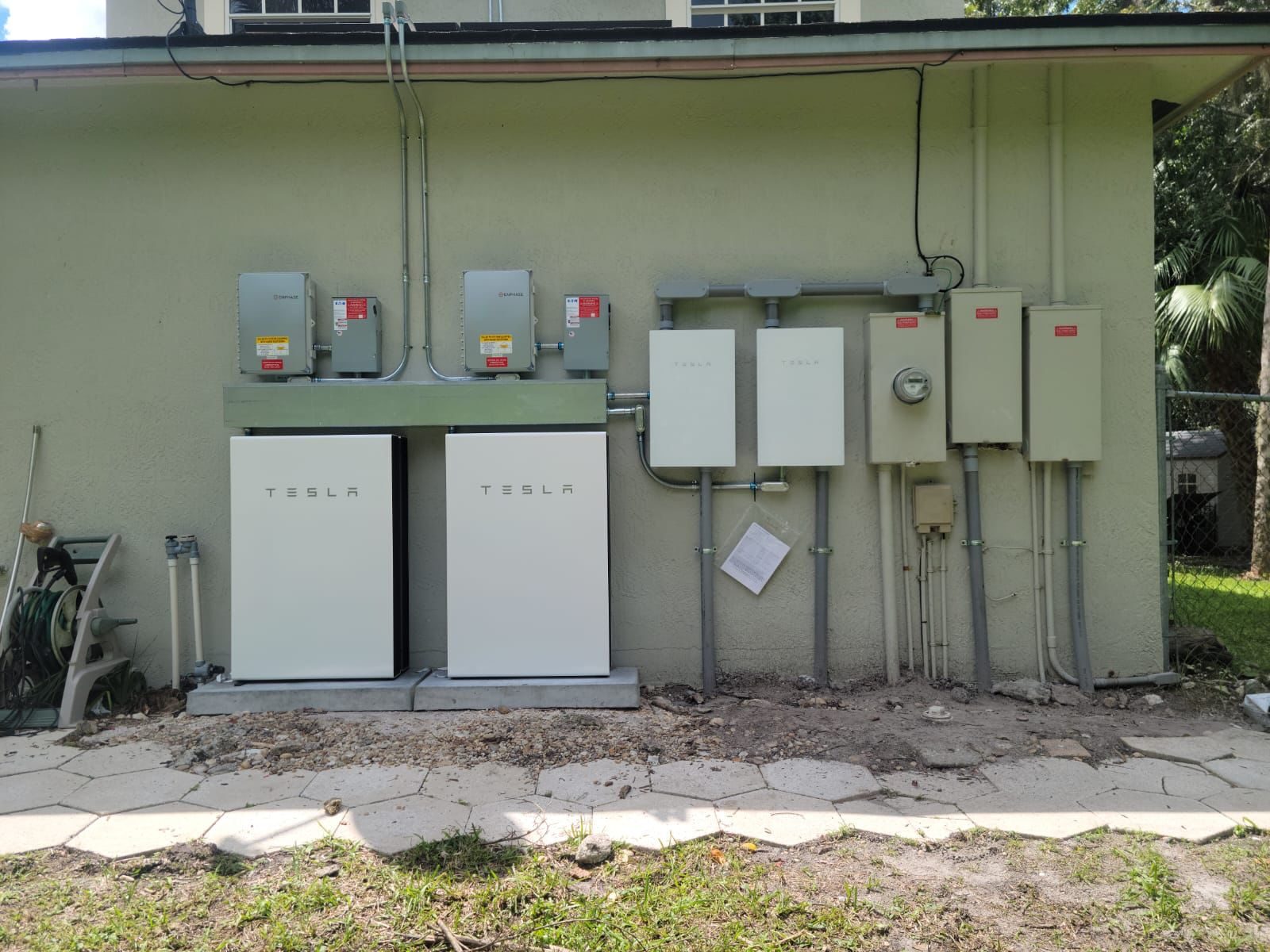
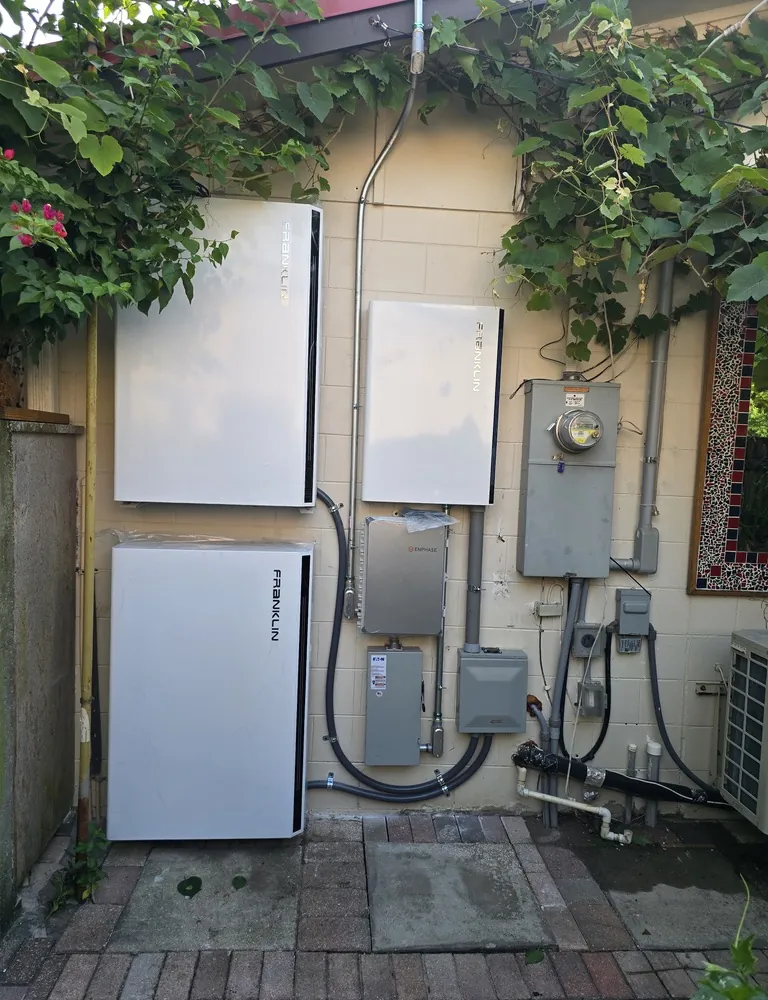
Behind the panels
A good solar system should look clean everywhere, even where most people won’t notice.
The service panel, inverter, disconnects, and battery matter just as much as the panels on the roof.
Project journalFollow the project
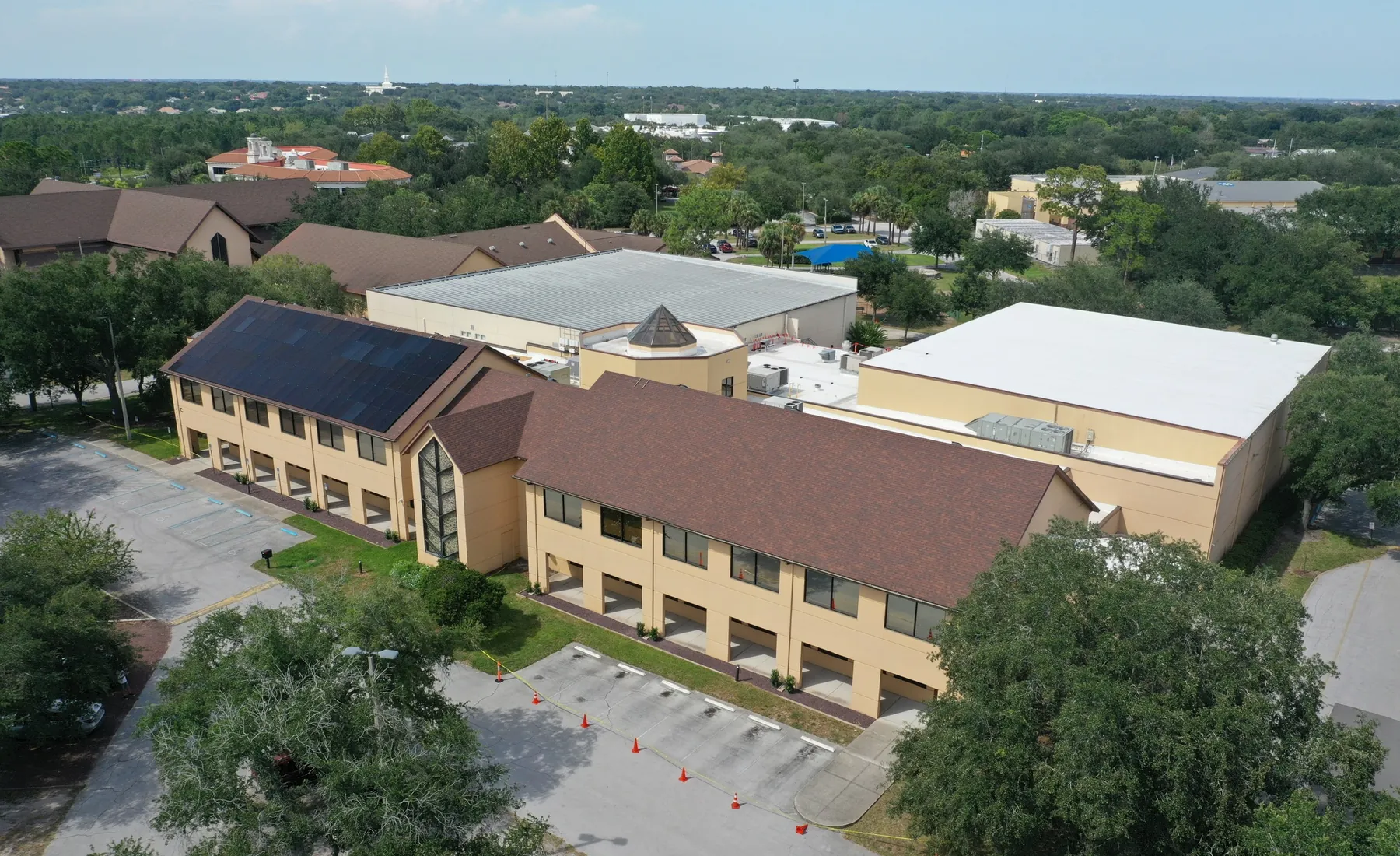
A 420.2 kW system is taking shape at St. Luke’s.
Follow the installation across three campus buildings, from the first rails and conduit to the completed system.
420.2 kWPlanned system size
3Campus buildings
Day 11Current update
Florida based
Florida isn’t a market we dropped into. It’s home.
Sunstorm is based in Orlando. We understand tile roofs, heavy summer air-conditioning loads, hurricane-season outages, and the very different rules used by Florida utilities. Your solar plan should reflect the place you actually live.
Where can we help?
Choose the problem you want to solve.
Tell us what you want to change. We’ll show you the options.
Home solar
Offset a portion of grid purchases with a system designed around your roof, annual usage, and utility rules.
- Production estimate for your roof
- Roof and electrical review
- Permitting and interconnection
Battery backup
Keep the loads that matter available during outages with realistic runtime and critical-load planning.
- Solar-plus-storage
- Critical-load design
- Whole-home options
Commercial energy
Evaluate rooftops, land, carports, storage, and load patterns as one practical business case.
- Site and interval-load review
- Phased project options
- Resilience planning
 Two Sunstorm teams, one home
Solar for your energy. Water treatment for the rest of the home.
Sunstorm Energy plans solar and battery systems. Sunstorm Home helps Florida homeowners test their water and choose whole-home filtration, water softening, and drinking-water solutions.
You get local guidance from people who look at how the whole home works.
Schedule a free water assessmentWhat Sunstorm Home does today
Find out what is in your water before choosing a system.
Good questions welcome
What Florida homeowners ask first.
Will solar eliminate my electric bill?
Not necessarily. System size, usage, roof area, production, utility rules, fixed charges, and financing all matter. Sunstorm models expected grid purchases and exports for the specific property instead of promising a universal bill.
Will my solar work when the grid goes down?
Most grid-tied solar shuts down during an outage for safety. Backup operation normally requires compatible battery storage and isolation equipment designed for the loads the homeowner wants to power.
Is the 30% federal residential solar credit still available in 2026?
The IRS currently says the Residential Clean Energy Credit is unavailable for property placed in service after December 31, 2025. Homeowners should verify eligibility with the IRS and a qualified tax professional.
What if my roof is older?
Roof life and solar life should be planned together. If replacement is likely soon, addressing the roof first can avoid later removal and reinstallation costs.
How long does the solar process take?
Timing depends on design, financing, permitting, inspections, equipment, and the utility interconnection process. Sunstorm outlines the milestones and updates customers as each project moves forward.
Start with your actual home and energy use
Find out what solar should look like for your property.
Get a clear proposal built around your roof, utility, power use, and priorities.