
aPower 2
Current model: aPower 2
High-capacity, high-output storage built around flexible whole-home energy management.
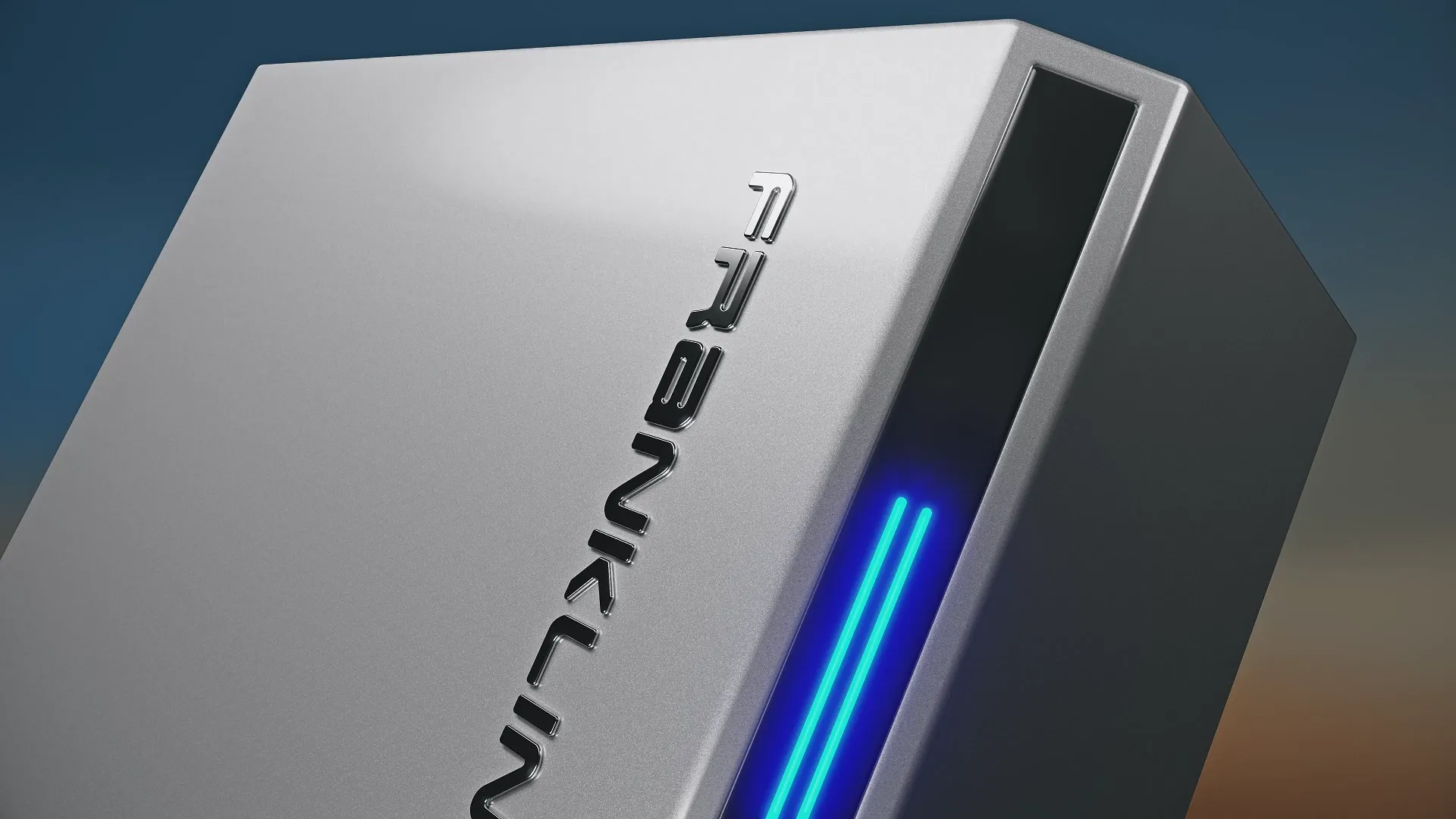
High-capacity, high-output storage built around flexible whole-home energy management.
The FranklinWH aPower 2 is a 15 kWh LFP battery designed to work with the aGate energy-management controller. FranklinWH supports solar, grid, generator, and selected EV energy inputs within its broader home-power ecosystem.
Final model, configuration, availability, and warranty terms are confirmed in the written proposal.
FranklinWH aPower 2 at a glance.
These manufacturer-published figures help compare equipment. Final compatibility, configuration, and warranty coverage are confirmed for the specific project.
| Specification | Published value |
|---|---|
| Model | aPower 2 |
| Usable energy | 15 kWh |
| Continuous output | 10 kW |
| Solar input / architecture | AC-coupled battery · managed through FranklinWH aGate |
| Battery chemistry | Lithium iron phosphate (LFP) |
| Manufacturer warranty | 15 years / 60 MWh throughput |
Strengths worth putting into context.
- Large capacity in a single battery
- LFP chemistry and passive cooling
- Generator integration within supported designs
- Scalable architecture for larger homes and projects
Projects with these priorities.
- Homeowners prioritizing long backup duration
- Projects that benefit from generator coordination
- Larger homes or systems that may expand later
Questions we answer before specifying aPower 2.
- Is generator integration part of the resilience plan?
- How many large loads may operate together?
- Where can the battery and aGate be located?
- Does the home need circuit-level load controls?
Specifications are only the starting point.
Published capacity, output, efficiency, and warranty information help narrow the field. A valid Florida project also requires compatible electrical design, roof or mounting review, permits, utility interconnection, manufacturer instructions, and a clear service plan.
We use the current manufacturer documentation when preparing the final system scope. If equipment availability changes, any proposed substitution should be documented and reviewed before installation.