
aPower S
Current model: aPower S · APRS-10K15V1-US
FranklinWH's newest all-in-one battery with direct solar connection and an integrated hybrid inverter.
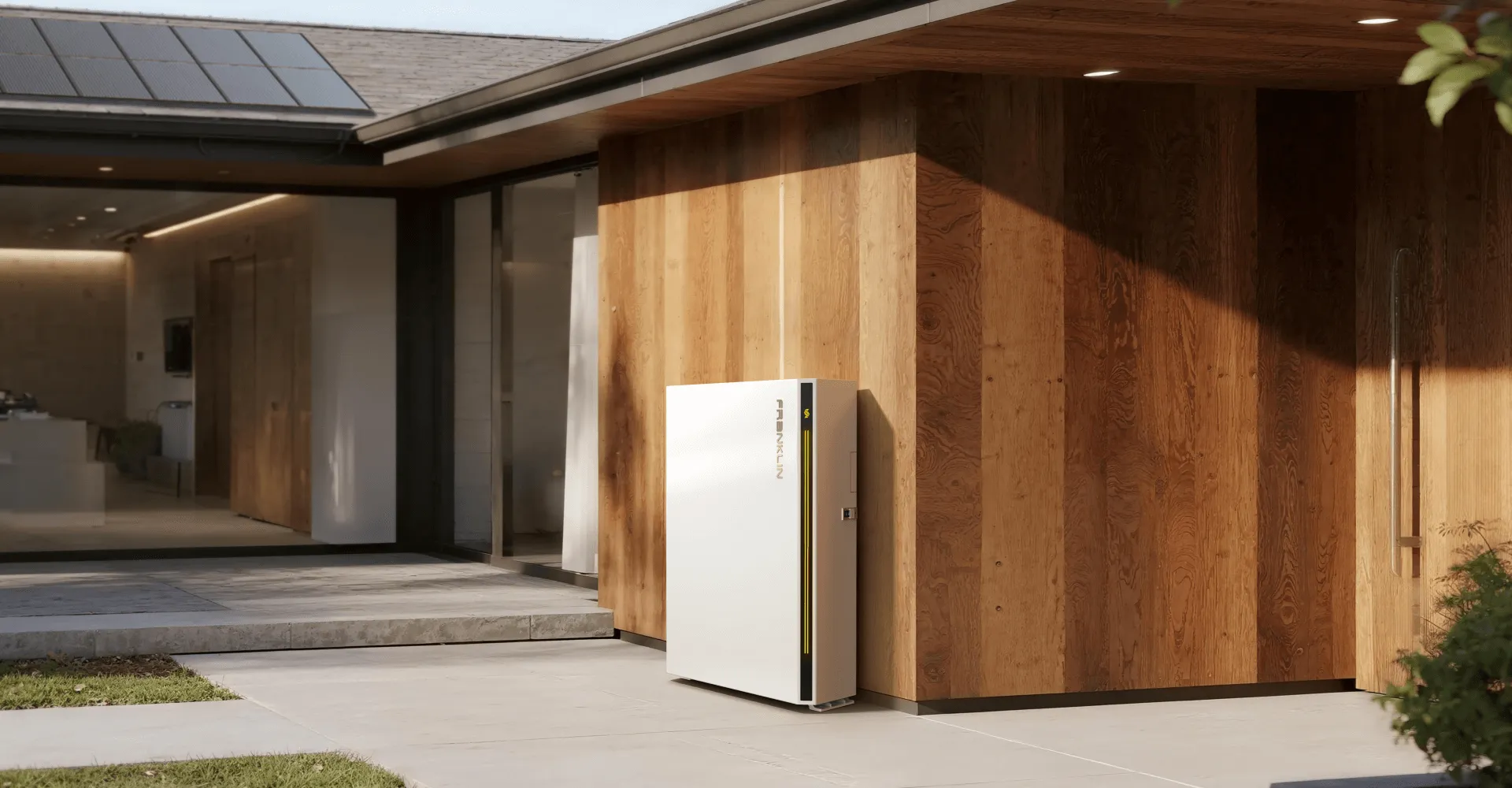
FranklinWH's newest all-in-one battery with direct solar connection and an integrated hybrid inverter.
The FranklinWH aPower S integrates a 15 kWh LFP battery, hybrid inverter, and four solar MPPT channels in one enclosure. It is designed for new solar-plus-storage projects that benefit from direct solar input, high output, fast charging, and scalable whole-home backup.
Final model, configuration, availability, and warranty terms are confirmed in the written proposal.
FranklinWH aPower S at a glance.
These manufacturer-published figures help compare equipment. Final compatibility, configuration, and warranty coverage are confirmed for the specific project.
| Specification | Published value |
|---|---|
| Model | APRS-10K15V1-US |
| Usable energy | 15 kWh |
| Continuous output | 11.5 kW |
| Peak output | 15 kW for 10 seconds |
| Solar input / architecture | Integrated hybrid inverter · 4 MPPTs · up to 20 kW DC input |
| Battery chemistry | Lithium iron phosphate (LFP) |
| Manufacturer warranty | 15 years / 60 MWh throughput |
Strengths worth putting into context.
- Integrated hybrid inverter and four MPPT solar inputs
- Supports up to 20 kW of direct solar input per battery
- Up to 8 kW battery charging and automatic solar black start
- Can share an aGate with compatible aPower 2 units
Projects with these priorities.
- New solar-plus-storage installations
- Roofs with multiple solar orientations
- Homes that need high output and future storage expansion
Questions we answer before specifying aPower S.
- Is the project new solar, a retrofit, or both?
- How many roof planes need independent solar tracking?
- Which loads must start and run during an outage?
- Would aPower S, aPower 2, or a mixed FranklinWH design be the better fit?
Specifications are only the starting point.
Published capacity, output, efficiency, and warranty information help narrow the field. A valid Florida project also requires compatible electrical design, roof or mounting review, permits, utility interconnection, manufacturer instructions, and a clear service plan.
We use the current manufacturer documentation when preparing the final system scope. If equipment availability changes, any proposed substitution should be documented and reviewed before installation.