
Turn Florida sunshine into lower electric bills.
We design your solar system around your roof, electricity use, utility, and budget.
See what solar can do for your home.
We review your roof, electric bill, utility, and future energy needs. Then we show you the right system size, expected production, price, and payment options.
We review up to 12 months of usage and account for an EV, pool, addition, or new HVAC.
We check its condition, usable space, shade, wind requirements, and future roofing plans.
We plan around the rules for FPL, OUC, Duke, cooperatives, and municipal utilities.
Compare equipment, warranties, service, financing, and long-term cost before you sign.
What your proposal should show
- Named equipment models and a complete system scope
- Site-specific annual production assumptions
- Utility purchases and exports modeled separately
- Cash price, financed price, fees, and total payments
- Permit, inspection, and interconnection responsibilities
- Written workmanship and manufacturer coverage
Compare the panel, inverter, and battery brands we offer.
Read the comprehensive Florida Net Metering Guide.
Compare the full cost
Ask for the cash price beside the financed price. Compare dealer fees, APR, term, and total payments, not just the monthly payment. For a lease, review the escalator, transfer rules, buyout options, service, and end-of-term choices.
Use our complete solar financing comparison.
Florida incentive facts in 2026
The IRS currently says the Residential Clean Energy Credit is not available for property placed in service after December 31, 2025. Florida still lists a qualifying solar sales-tax exemption, and state law addresses the property-assessment treatment of qualifying renewable devices. Because tax outcomes are personal, verify eligibility with a qualified tax professional.
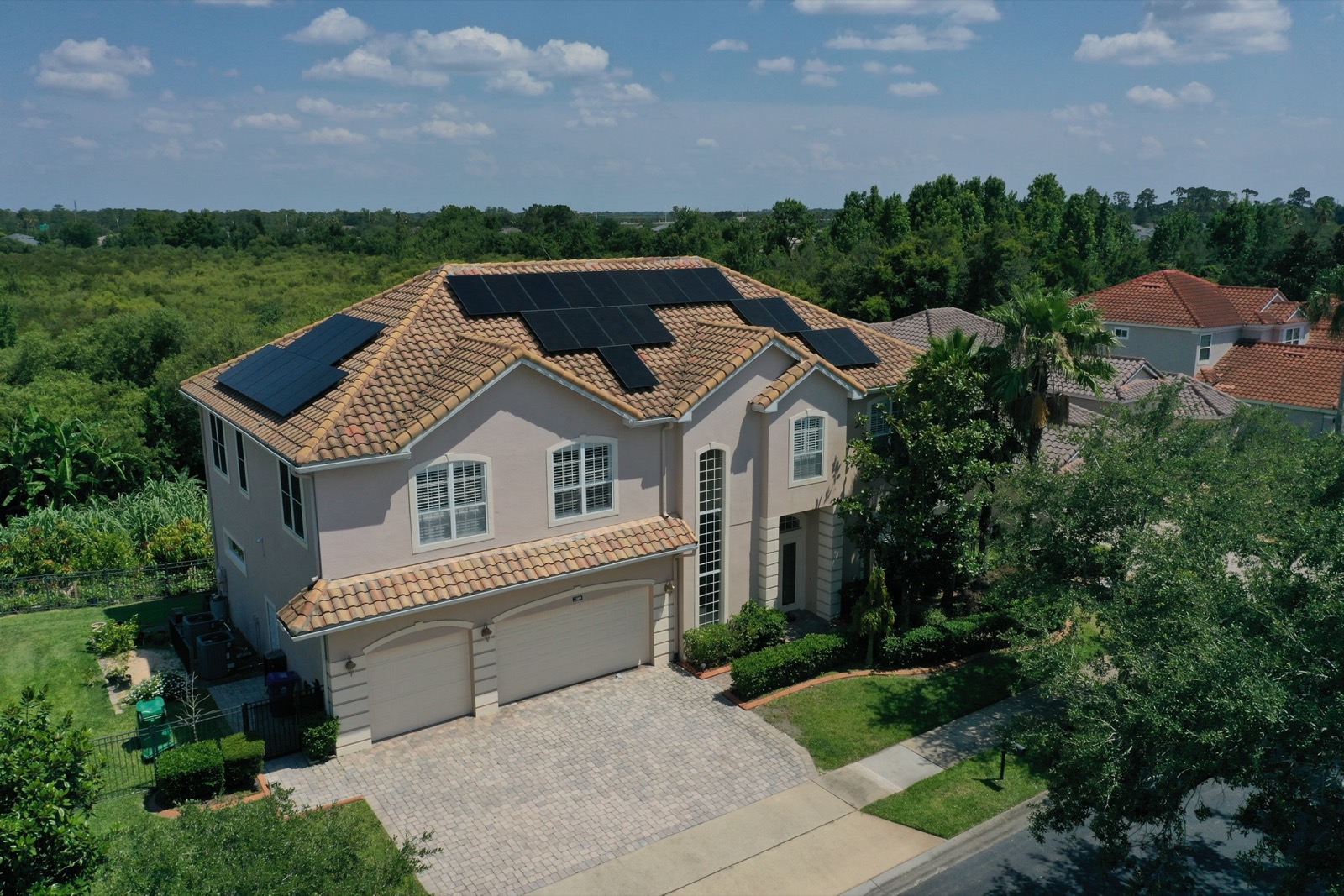
From design to permission to operate.
Our team manages the design, engineering, permits, utility application, installation, inspection, and final approval. You always know what comes next.